Seam Ripper: A Bold Icon for Branded Merch
As an embroidery designer who has spent years digitizing and stitching logos for everyone from local bakeries to high-end boutiques, I approach every new machine embroidery design with a critical eye. It is not just about whether the stitches look pretty; it is about whether the design holds up under the scrutiny of commercial production and effectively communicates a brand's identity. Today, I am reviewing the Seam Ripper design, a digital asset that initially caught my attention for its potential in the sewing and crafting niche. While the product description suggests it as a fun decoration for towels or blankets, my focus is strictly on its viability for small business merch, branded patches, and professional apparel.
First Impressions: Playful Yet Professional
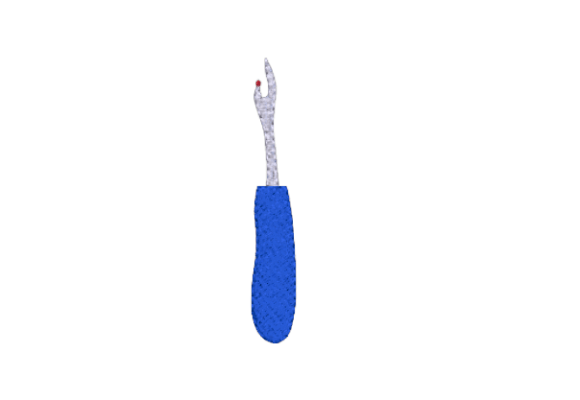
The moment you load the Seam Ripper file into your editing software, the visual personality becomes clear. This is not a stiff, corporate logo; it carries a friendly, handmade vibe that resonates deeply with the creative community. For businesses in the sewing, quilting, or alteration sectors, this icon serves as an immediate visual shorthand. It feels rustic yet modern, striking a balance that is essential for brands wanting to appear accessible without sacrificing quality. The lines appear clean, suggesting a well-digitized embroidery file that respects the limitations of the machine while maximizing visual impact. For a creative studio or a local seamstress, this design offers a way to brand their tools and uniforms with a touch of humor and industry-specific relevance.
Real-World Application for Small Businesses
The true test of any design is its versatility in a commercial setting. The Seam Ripper excels here because it transcends simple decoration. Imagine a boutique alteration shop where staff wear crisp white shirts; placing this design as a small chest logo accent instantly identifies their trade. It works exceptionally well as an embroidered patch that can be sewn onto canvas tote bags, which are popular give-aways at craft fairs and markets.
For cafes or florists that also sell handmade goods, this design could serve as a charming detail on aprons, reinforcing the "made by hand" ethos of their products. In the realm of custom apparel, it acts as a conversation starter. If you run an Etsy shop selling sewing kits, adding a cap with this embroidered motif to your product photography creates a cohesive brand story. It transforms a standard uniform into a piece of brand identity that customers recognize and trust. The design is robust enough to handle the rigors of daily wear on work shirts while remaining distinct enough to stand out on textured fabrics like denim or canvas.
Strategic Placement and Technical Considerations
While the Seam Ripper is a strong candidate for branding, there are specific scenarios where caution is required. When scaling this design down for a small patch or a cap embroidery project, one must be wary of losing detail. Tiny elements, such as the blade tip or the handle curves, can merge if the stitch density is too high or if the resolution drops below a certain threshold. On curved surfaces like the front of a baseball cap, the fabric distortion can alter the perceived shape of the tool, so a test run is non-negotiable.
Furthermore, when working with dark uniforms, the choice of thread colors becomes critical. A light-colored thread on a navy blue polo might look striking, but if the contrast isn't sharp enough, the definition of the seam ripper's mechanism could get lost. Similarly, on highly textured fabrics like thick wool or looped towels, fine outlines may disappear into the pile. For items that require frequent washing, such as restaurant aprons or mechanic shirts, the integrity of the satin stitches must be verified to ensure they do not fray or pucker after multiple cycles.
Elevating Brand Identity and Customer Trust
In the competitive landscape of handmade products and local services, visual consistency is key to building customer trust. Using the Seam Ripper across various touchpoints—from the label on a product package to the sleeve of a staff member's shirt—creates a unified professional image. It signals to the buyer that the business pays attention to details, much like a tailor pays attention to a perfect hem. This level of professionalism increases the perceived value of the finished product. When a customer sees a well-executed embroidery on a tote bag or a hat, they subconsciously associate that quality with the services or goods provided by the business. It turns a simple transaction into a branded experience.
Designer Notes for Production Success
Before committing to a large production run for a client, I always follow a strict checklist to ensure the digital embroidery file performs as expected. Here are my practical recommendations for integrating the Seam Ripper into your workflow:
- Test in Monochrome First: Stitch the design in black and white to evaluate the contrast and clarity of the shapes without the distraction of color.
- Verify Small Scale Legibility: Check if the design remains recognizable when stitched at the minimum size required for a lapel pin or small patch.
- Analyze Thread Contrast: Ensure your chosen thread colors pop against the specific fabric weight and color of your merchandise.
- Inspect Stitch Spacing: Look for gaps or overcrowding that could affect durability, especially in high-wear areas.
- Confirm Hoop Size Compatibility: Although the file comes in multiple formats, always verify the required hoop size matches your machine's capabilities before hooping expensive fabric.
- Select the Right Stabilizer: Match your stabilizer to the fabric texture; a cut-away might be necessary for stretchy knits to prevent distortion.
- Create a Printable Mockup: Generate a printable mockup to show clients how the design will look on their specific assets before stitching begins.
- Review Commercial Licensing: Always confirm the licensing terms included with the file to ensure you have the rights for commercial embroidery projects.
It is important to note that while the product description mentions multiple file formats, it does not specify exact stitch counts or precise hoop dimensions. As a professional, I advise checking these technical specifics within the downloaded folder or contacting the creator if the information is unclear, particularly for large-scale orders.
Final Verdict for Business Use
The Seam Ripper design is more than just a cute graphic; it is a versatile asset for businesses rooted in the sewing and crafting industries. Its ability to function as a logo, a patch, or a decorative accent makes it a valuable addition to any designer's library. By paying attention to fabric selection, stitch density, and placement, small business owners can leverage this design to create memorable, high-quality merchandise that reinforces their brand identity. Whether used on a baker's apron or a crafter's tote, this design proves that functional icons can be both stylish and commercially effective.