Football Brother: A Pro Review for Branded Merch
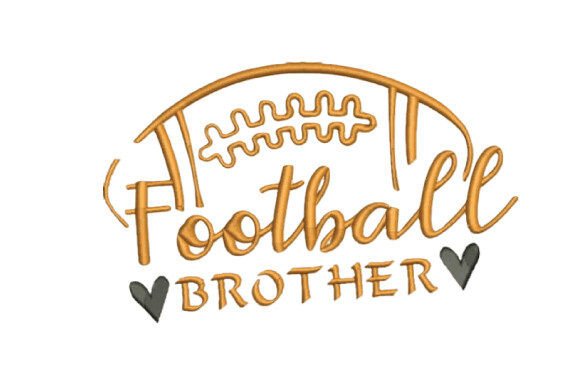
As an embroidery designer who has spent years digitizing and stitching for small businesses, I approach every new machine embroidery design with a critical eye. It is not just about whether a file looks cute on a screen; it is about how that digital embroidery file translates into a tangible asset for a brand. Today, I am reviewing Football Brother, a sports-themed design that promises to embellish fabrics with whimsy and charm. While the product description highlights its use on towels and home decor, my focus is strictly on its viability for small business merch, branded patches, and professional apparel.
First Impressions: Visual Personality and Brand Fit
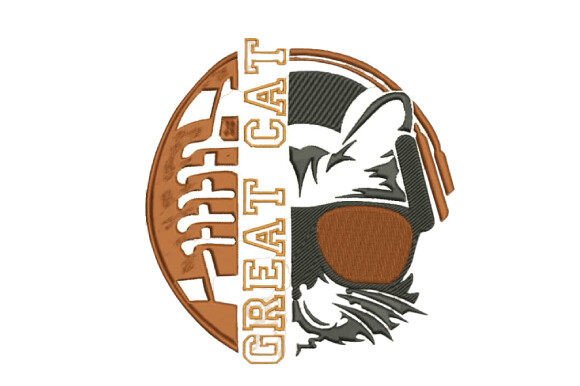
Upon loading the embroidery file for Football Brother, the immediate impression is one of playful energy. The title suggests a familial or team-oriented connection, which makes it an excellent candidate for businesses looking to evoke a sense of community. Unlike stiff, corporate logos, this design leans into a friendlier, more approachable aesthetic. For a local sports café, a youth league boutique, or a family-owned bakery sponsoring a little league team, this vibe is gold. It feels handmade yet polished, striking a balance between rustic charm and modern appeal.
The description mentions "whimsy and charm," which signals that this is likely a decorative element rather than a stark, minimalist logo. In the world of Sports Embroidery, this is a refreshing change of pace. Most sports designs are aggressive or hyper-realistic; Football Brother offers a softer touch that works beautifully for lifestyle brands. However, for high-end corporate uniforms, one must evaluate if this playful tone aligns with the desired brand identity. If your client wants to appear authoritative and severe, this might be too lighthearted. But for customer engagement and building trust through approachability, it excels.
Real-World Application in Commercial Embroidery
The true test of any design is its versatility across different mediums. I have evaluated how Football Brother performs in several real-world scenarios for small business owners:
- Embroidered Patches: This is arguably the strongest use case. The design's likely bold outlines make it perfect for iron-on or sew-on patches. A local coffee shop could use these as loyalty rewards or sell them as standalone handmade product additions. The "Brother" aspect suggests camaraderie, making it ideal for team patches.
- Staff Uniforms and Aprons: For a sports bar or a casual dining establishment, placing this design on an apron embroidery project adds personality. It breaks up the monotony of solid-colored uniforms and gives staff a conversation starter with customers.
- Cap Embroidery: Placing this on the front or side of a baseball cap is a classic move. However, caution is needed regarding the curve of the cap. If the design has wide horizontal elements, it may distort on a structured cap front. It might work better as a side logo or on a unstructured beanie.
- Tote Bag Design: The description explicitly mentions tote bags, and I agree. Canvas totes are huge in the Etsy and boutique market. Football Brother serves as a central focal point that elevates a simple bag into a piece of fan merchandise or event swag.
- Product Packaging Accents: Small businesses often overlook packaging. Stitching this design onto a fabric tag attached to a product package adds a premium feel and reinforces visual consistency.
Technical Considerations and Potential Pitfalls
While the aesthetic is strong, technical execution is where many designers stumble. When reviewing Football Brother for production, there are specific areas requiring careful attention. First, consider the stitch density. Designs described as "charming" sometimes rely on dense satin stitches to fill small areas. If the density is too high, the design can become stiff and prone to puckering, especially on lightweight fabrics like performance tees or thin aprons.
Secondly, evaluate the scale. If you intend to use this as a tiny chest logo or a small sleeve detail, ensure the lettering (if any) and fine details do not collapse. Tiny lettering in custom apparel often becomes unreadable after a few washes. I strongly advise running a test stitch-out at the smallest intended size before committing to a large production run.
Fabric texture also plays a massive role. On textured fabrics like terry cloth towels or heavy canvas, the definition of the design can get lost. Conversely, on smooth pique polo shirts, the details will pop. Always match the thread colors to the fabric contrast. A dark uniform requires bright, high-contrast thread to ensure the "whimsy" doesn't turn into a muddy blur.
Impact on Brand Identity and Customer Trust
Using a cohesive design like Football Brother across various touchpoints strengthens brand identity. When a customer sees the same high-quality embroidery on a tote bag, a staff apron, and a promotional patch, it creates a sense of professionalism. It tells the customer that the business cares about the details. In the era of fast fashion, a well-executed finished product with genuine stitching conveys value and durability.
Furthermore, this design fosters buyer engagement. Sports-themed items naturally encourage social sharing. If a customer receives a gift with this embroidery, they are more likely to post it online, providing free marketing for the small business. The emotional connection of "Brotherhood" or team spirit enhances customer retention and loyalty.
Practical Notes for the Professional Designer
Before integrating Football Brother into your commercial workflow, adhere to these practical steps to ensure success:
- Test in Black and White: Before selecting vibrant team colors, stitch the design in black thread on white fabric (and vice versa). This reveals the structural integrity of the design without the distraction of color.
- Verify Hoop Size: The product description does not specify the exact dimensions. Check the file properties to confirm the hoop size required. Ensure it fits within the constraints of your client's garment, especially for cap fronts or narrow sleeves.
- Stabilizer Selection: Choose the right stabilizer based on the fabric. Cut-away stabilizer is usually best for stretchy knits to prevent distortion over time, while tear-away works for stable wovens like twill caps.
- Create a Printable Mockup: Use a printable mockup to show your client how the design will look on their specific merchandise. This manages expectations and secures approval before stitching begins.
- Review Licensing: The description mentions commercial potential but lacks specific license terms. Always confirm the commercial licensing agreement before selling items made with this design asset. Ensure you are cleared for unlimited sales if you plan to mass-produce.
- Compare Assets: Place Football Brother beside other existing brand assets. Does it clash? Does it complement? Consistency is key to a professional look.
In conclusion, Football Brother is a versatile and engaging option for small business owners looking to add a touch of personality to their merchandise. While it shines in applications like patches, totes, and casual uniforms, it demands careful technical consideration regarding size, density, and fabric choice. By following rigorous testing protocols and understanding its visual language, embroidery professionals can leverage this design to create high-value, memorable products that resonate with customers and elevate brand perception.