Great Cat: A Professional Review for Branded Merch
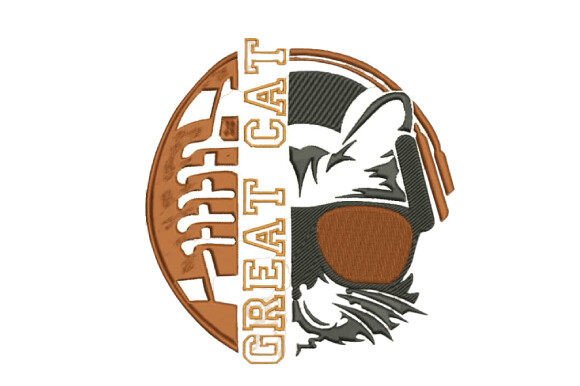
As an embroidery designer who has spent years translating digital concepts into tangible brand assets, I approach every new machine embroidery design with a critical eye. It is not enough for a file to look cute on a screen; it must withstand the rigors of commercial production, frequent washing, and the scrutiny of customers who judge a brand by its smallest details. Today, I am reviewing Great Cat, a design positioned within the Cats category, specifically evaluating its potential for small business merchandise, branded patches, and custom apparel.
My first impression of Great Cat is that it strikes a delicate balance between whimsy and professionalism. The product description promises a "touch of whimsy and charm," which is often a red flag for corporate branding, but in the context of modern boutique culture, pet brands, and creative studios, this personality is a massive asset. For a local bakery, a florist, or an Etsy seller specializing in handmade goods, a sterile logo often feels cold. Great Cat offers a friendly, approachable aesthetic that can humanize a brand identity without sacrificing quality. However, translating that charm into a durable embroidered patch or a staff uniform requires careful consideration of stitch density and fabric texture.
Real-World Application for Small Business Merch
The true test of any digital embroidery file is its versatility across different substrates. Based on the description suggesting use on towels and home decor, Great Cat appears robust enough for thicker materials, but how does it fare on the diverse range of items small businesses actually sell?
- Branded Patches: This is likely the strongest use case. A well-executed patch featuring Great Cat could serve as a collectible item for pet stores or a loyalty reward for café customers. The "lovely" nature of the design suggests it would look exceptional on denim jackets or canvas tote bags, adding a premium feel to standard merchandise.
- Staff Uniforms and Aprons: For a pet grooming salon or a cat-themed café, embroidering Great Cat on apron embroidery projects creates immediate visual consistency. It acts as a subtle badge of expertise and friendliness. However, one must ensure the thread colors contrast sufficiently against dark uniform fabrics to maintain visibility.
- Tote Bag Design: Canvas totes are a staple for craft fairs and boutique give-aways. The whimsical element of this design fits perfectly here, turning a utilitarian bag into a piece of branded art that customers actually want to carry.
- Cap Embroidery: Applying this to a curved surface like a baseball cap requires precision. If the design elements are too dense or large, they may pucker on the front panel. It is best suited for a side-panel accent or a slightly larger front placement on unstructured caps.
Technical Considerations and Production Risks
While the artistic merit of Great Cat is evident, a professional review must address the technical hurdles of commercial embroidery. The description mentions embellishing fabrics, which implies a certain level of detail. When scaling this design down for a small chest logo or a tiny product label, there are risks involved.
Stitch density is a primary concern. Designs described as "lovely" often utilize satin stitches or fine fill patterns that can become muddy if reduced too far. If you intend to use Great Cat as a small patch under two inches, you must inspect the file to ensure the spacing between elements is wide enough to prevent thread bridging. Similarly, thread colors play a crucial role. A design relying on subtle shading might look beautiful on a high-resolution monitor but lose definition when stitched with standard rayon or polyester threads on textured fabric.
Furthermore, the choice of stabilizer cannot be overlooked. Since the design is recommended for towels and pillows, it likely handles looped or plush textures well. However, placing it on a thin performance shirt or a structured cap requires a different stabilizer strategy to prevent puckering. Always test on a scrap piece of the actual production fabric before committing to a full run. There is nothing more damaging to a brand's reputation than a finished product that warps after the first wash.
Elevating Brand Identity and Customer Trust
In the crowded marketplace of handmade products and small business merch, visual consistency is key to building trust. Great Cat serves as more than just decoration; it is a touchpoint for customer engagement. When a client receives a package with a neatly embroidered patch featuring this design, it signals attention to detail. It elevates a simple transaction into a branded experience.
For businesses in the pet industry or creative sectors, adopting a mascot-like element such as Great Cat fosters an emotional connection. It makes the brand feel accessible and warm. However, this only works if the execution is flawless. A poorly stitched logo can make a business appear amateurish. Therefore, ensuring that the hoop size is appropriate and that the design is centered perfectly on every item is non-negotiable. The perceived value of your handmade product is directly tied to the quality of its embellishments.
Essential Designer Notes for Implementation
Before integrating Great Cat into your production line or offering it as a service to clients, I recommend following this checklist to ensure professional results:
- Test in Monochrome: Stitch a sample in black and white first. This reveals the structural integrity of the design without the distraction of color, helping you identify if details get lost.
- Verify Scalability: Confirm that the design holds up at the smallest size you intend to use, particularly for patches or sleeve details.
- Check Licensing: The description hints at commercial potential, but you must confirm the specific license terms of the embroidery file before selling items featuring Great Cat.
- Create a Printable Mockup: Before stitching, generate a printable mockup to show clients how the design will look on their specific garment color and style.
- Compare Design Assets: Place Great Cat beside your existing logo or other brand assets to ensure the stylistic tone matches your overall visual identity.
- Fabric Testing: Since the description mentions home decor, test on both terry cloth (towels) and woven cotton to see how the stitch behavior changes.
In conclusion, Great Cat is a promising asset for small business owners looking to inject personality into their merchandise. Its potential ranges from charming apron embroidery to collectible patches that drive brand loyalty. However, its success relies entirely on thoughtful execution. By respecting the limitations of Embroidery technology and carefully managing variables like fabric texture and stitch density, you can transform this lovely design into a powerful tool for business growth. Always remember to check the specific file formats and hoop requirements provided by the creator, as these details are vital for a smooth production workflow.