Not Bossy Just Aggressively Helpful: A Designer's Review
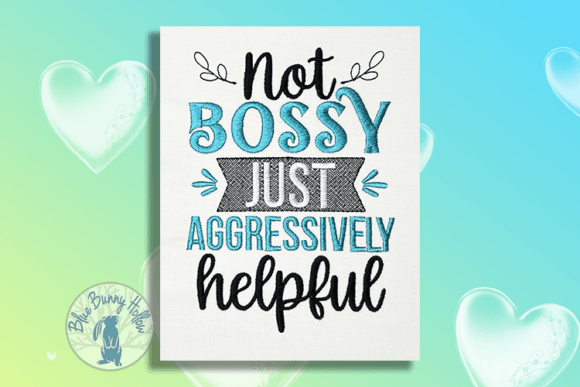
As a designer who spends more time staring at stitch simulations than I do sleeping, I am always on the lookout for typography that walks the fine line between funny and functional. When I first pulled up the Not Bossy Just Aggressively Helpful machine embroidery design on my screen, I didn't just see a cute phrase; I saw a potential best-seller for any craft business targeting the modern parent. The concept is simple, but the execution in an embroidery project makes all the difference between a cheap novelty item and a high-value handmade product.
The visual personality of this design screams "capable chaos," which is exactly the vibe needed for Mother-related merchandise that actually sells. It isn't flowery or overly sentimental. Instead, it offers a touch of sass that resonates with anyone managing a household. For Etsy sellers and boutique owners, this kind of relatable humor is gold. It transforms a standard tea towel or apron into a conversation starter, instantly increasing the perceived value of the finished product.
First Impressions and Layout Dynamics
Upon loading the digital embroidery file into my editing software, the first thing I noticed was the balance of the lettering. The layout feels intentional, likely utilizing a mix of bold sans-serif fonts to convey authority, perhaps paired with a softer script to soften the blow of the word "Aggressively." This contrast is crucial. If the entire text were too aggressive, it might feel hostile. If it were too soft, the joke would land flat.
The shape of the design appears compact enough to fit within standard hoop sizes, making it versatile for various applications. However, the density of the fill stitch areas needs careful attention. In my experience, designs with heavy block lettering can sometimes pucker if the stitch density is too high for the chosen fabric. Before committing to a client order, I always recommend running a test stitch-out on scrap fabric similar to your final material. This allows you to check for pull compensation issues and ensure the letters remain crisp without sinking into the weave.
Real-World Application: The Kitchen Command Center
Let's talk about where this design truly shines. I recently envisioned a custom project for a local bakery owner who wanted branded merchandise for her staff. We decided on heavy-duty canvas aprons. The Not Bossy Just Aggressively Helpful embroidery design was the perfect fit. Placed centrally on the chest or boldly across the lower bib, it serves as both branding and a humorous disclaimer for anyone asking the baker for "just one quick favor."
Beyond aprons, this design is a natural candidate for tote bag designs. A sturdy canvas tote with this stitched onto the front becomes an instant hit for grocery runs or library visits. The durability of the satin stitch or fill stitch borders (depending on the specific file version) ensures that the message survives multiple wash cycles. For baby embroidery projects, imagine this on a burp cloth or a onesie for the "helpful" auntie. It shifts the narrative from traditional baby gifts to something with personality, appealing to younger parents who appreciate wit over whimsy.
For those creating holiday embroidery gifts, this piece works exceptionally well for Christmas or Mother's Day. It avoids the cliché "World's Best Mom" tropes and offers something fresher. When stitched onto a high-quality linen pillow cover, it elevates nursery decor or living room accents from generic to curated.
Technical Considerations for Professional Results
While the aesthetic appeal is strong, a professional reviewer must address the technical hurdles. Typography-based embroidery files can be tricky. The spacing between letters, known as kerning in graphic design, translates physically in thread. If the gap is too wide, the design loses cohesion; too narrow, and the threads bridge, creating a messy look.
If you are working with textured fabrics like waffle weave towels or thick terry cloth, you must use a robust stabilizer. A cut-away stabilizer is often safer than tear-away for garments that will undergo frequent washing, ensuring the design doesn't distort over time. For stretchy fabrics like sweatshirt embroidery projects, hooping technique is vital. You need to ensure the fabric is drum-tight to prevent registration errors, especially if the design includes small details or sharp corners.
Dark fabric presents another challenge. If the design relies on light thread colors, you may need an underlay stitch that is dense enough to prevent the background color from showing through. Always test your thread colors against the fabric swatch first. What looks vibrant on a printable mockup might appear dull if the fabric absorbs too much light or if the thread sheen clashes with the material texture.
Navigating Small Hoops and Curved Surfaces
Many crafters want to put this on caps or hats. While possible, curved surfaces require a specific approach. The design width must fit comfortably within the cap frame without wrapping too far around the sides, which causes distortion. If the original file is large, you might need to resize it, but be cautious. Reducing a design too much can cause tiny lettering to become unreadable as the stitches merge. Check the minimum hoop size recommendations provided with the digital embroidery file before attempting a hat project.
Similarly, if you are considering an embroidered patch, ensure the border is defined clearly. A merrow edge or a tight satin stitch border will give the patch a professional finish, allowing it to be ironed or sewn onto denim jackets or backpacks later.
Commercial Viability and Brand Trust
For the commercial embroidery sector, consistency is key. If you are selling this as part of a small shop product line, the quality of the stitch-out directly reflects your brand. A clean, puckering-free execution builds customer trust. Buyers are willing to pay a premium for a personalized gift that looks like it came from a high-end boutique rather than a mass-production factory.
This design also works well for digital product sellers who create printable mockups. Showing the design on various apparel items helps customers visualize the end result, boosting buyer engagement. However, remember that a mockup is not the real thing. Your physical sample must match the promise of the image.
Before listing items on Etsy or at craft fairs, confirm the licensing terms. Some designers allow unlimited sales of finished physical goods, while others restrict the number of items or prohibit use in certain categories. Never assume a file is free for commercial embroidery use without reading the fine print. Protecting your craft business from legal issues is just as important as protecting your stitch quality.
Final Verdict for Makers
The Not Bossy Just Aggressively Helpful design is a standout choice for anyone looking to add personality to their portfolio. It bridges the gap between utility and humor, making it suitable for everything from kitchen linens to custom apparel. Its strength lies in its relatability; it speaks directly to the experience of managing a home and helping others, often without being asked.
To get the best results, treat this file with the respect it deserves. Test it on different fabric textures, optimize your stabilizer choice, and pay close attention to thread tension. Whether you are a hobbyist making a gift for a friend or an entrepreneur building a brand, this design offers a solid foundation for a successful embroidery project. With the right preparation and a keen eye for detail, this phrase can transform a simple piece of fabric into a cherished, laugh-inducing keepsake.