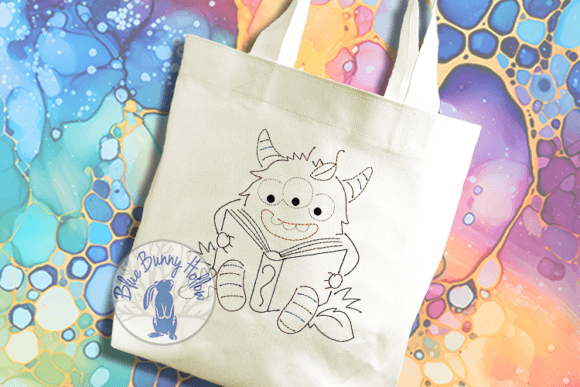
Monsters Read Here: A Craft Fair Best-Seller Review
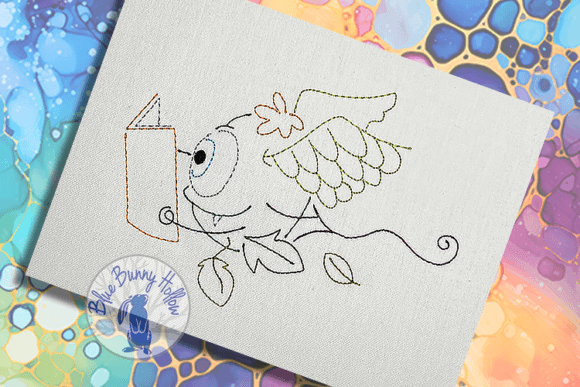
As an embroidery designer who has spent countless weekends manning booths at local craft fairs and handmade markets, I know that the difference between a slow Saturday and a sold-out display often comes down to one thing: immediate visual connection. When I first pulled up the Monsters Read Here design on my screen, I wasn't just looking at a digital file; I was mentally arranging my booth table. This charming redwork embroidery design features an adorable monster engrossed in a book, and from a commercial perspective, it hits a sweet spot that is hard to find. It bridges the gap between whimsical character art and a meaningful message about literacy, making it a perfect candidate for a wide range of handmade products.
First Impressions and Market Appeal
The initial vibe of Monsters Read Here is undeniably cute yet modern. While redwork traditionally leans towards rustic or farmhouse aesthetics, the subject matter here—a monster reading—pushes it firmly into the realm of contemporary nursery decor and playful education. For an Etsy seller or boutique maker, this duality is gold. It appeals to parents looking for unique gifts for their little ones, teachers wanting to decorate their classrooms, and book lovers who appreciate a touch of humor. The simplicity of the redwork style ensures that the design remains clean and legible from a distance, which is crucial when customers are walking past your booth at a busy market. It doesn't scream for attention with chaotic colors; instead, it invites curiosity with its charming narrative.
Strategic Product Placement for Maximum Sales
When planning my production run for a weekend event, I evaluate where a specific machine embroidery design will perform best. Monsters Read Here is versatile, but some applications clearly outperform others.
- Tote Bags and Market Bags: This is likely the strongest contender. A canvas tote with this design serves as a functional library bag or a school lunch carrier. The flat surface of a tote allows the redwork lines to shine without distortion, making it a high-volume craft fair product.
- Aprons and Tea Towels: Kitchen textiles are staples at handmade markets. An apron featuring this design targets the "cool parent" or the auntie who loves to cook and read bedtime stories. However, one must be mindful of the fabric texture; looped towels can sometimes swallow fine details, so a waffle weave or flat cotton might be superior for this specific file.
- Patches and Pouches: Creating embroidered patches is a fantastic way to offer a lower-price-point item. Because redwork typically uses a single thread color, these patches are cost-effective to produce in batches. They can be ironed onto denim jackets or backpacks, extending the life of the design beyond just home goods.
- Pillow Covers: For the home decor section of a booth, a linen pillow cover with this motif adds a soft, literary touch to a child's room. It elevates the perceived value of the item, allowing for a higher price point.
Production Practicality and Batch Efficiency
From a business owner's standpoint, time is money. The beauty of Monsters Read Here lies in its likely efficiency. Redwork designs generally have lower stitch density compared to full-fill satin column designs, meaning they stitch out faster and use less thread. This makes them ideal for batch production. If I need to churn out twenty tote bags before Saturday morning, this design is a reliable workhorse. Furthermore, using a single thread color simplifies the process significantly. There are no frequent color changes to manage, reducing the risk of human error and machine downtime. This consistency helps maintain brand quality across all finished products.
However, practical selling also involves how the item photographs. For online listings, this design offers excellent contrast. Whether shot against a neutral background or styled in a cozy reading nook, the bold lines of the monster and the book create a striking image for a printable mockup or social media post. It tells a story instantly, which increases click-through rates for digital sellers and drives foot traffic to physical booths.
Critical Considerations for Execution
While the design is promising, a professional review must address potential pitfalls. Before committing to a large run, there are several technical factors to verify regarding the embroidery file.
- Fabric Compatibility: Redwork relies on outline stitches. On thick fabrics like heavy canvas or textured towels, ensure the needle penetrates cleanly without puckering. Conversely, on stretchy knits used for t-shirts or caps, the lack of fill stitching might make the design feel too light or prone to distortion if not stabilized correctly.
- Stabilizer Selection: Because this is likely a line-based design, choosing the right stabilizer is critical. A cut-away stabilizer might be necessary for items that will be washed frequently, like aprons and tea towels, to prevent the fabric from gathering around the stitches over time.
- Size and Clarity: If you plan to use this as a small accent on a pouch or a hat, you must check if the tiny details of the monster's face or the book pages remain clear at smaller scales. Designs that look great at 6 inches can become a muddy mess at 2 inches. Always test the design on scrap fabric of the same weight as your final product.
- Curved Surfaces: Applying this to caps requires careful hooping. The curved surface of a cap can distort horizontal lines. Ensure the design is digitized specifically for caps if you intend to sell embroidered hats.
Enhancing Brand Value and Customer Engagement
Incorporating Monsters Read Here into your product line does more than just add inventory; it enhances your brand narrative. It signals to customers that your shop values creativity, education, and whimsy. This emotional connection drives buyer engagement. Customers aren't just buying a towel; they are buying a piece of art that encourages their child to read. This storytelling aspect allows you to command a premium for your small shop product offerings.
For those interested in commercial embroidery or selling the digital file itself, it is imperative to review the licensing terms included with the download. The description mentions it is a delightful twist for young minds, but it does not explicitly state the license type. Always confirm whether the purchase includes a commercial license for finished goods or if it is for personal use only before listing items for sale. Additionally, since specific technical details like exact stitch count, file formats, or recommended hoop size were not provided in the brief description, you must check the product listing or contact the designer to ensure the file matches your machine's capabilities.
Final Verdict for the Handmade Entrepreneur
Monsters Read Here stands out as a high-potential asset for any embroidery business targeting the family and education markets. Its blend of cute aesthetics and meaningful messaging makes it a natural fit for tote bags, patches, and home decor. By paying attention to fabric choices, stabilizer needs, and sizing constraints, you can transform this digital asset into a lineup of best-selling finished products. Whether you are setting up a booth at a local fair or updating your Etsy shop, this design offers the perfect balance of charm and producibility to help your business thrive.