Irish Setter Ears: A Craft Fair Best-Seller Review
As I stand in my studio surrounded by stacks of blank tote bags, aprons, and tea towels, I am mentally preparing for this weekend's craft fair. The pressure is always on to curate a booth display that stops customers in their tracks. Today, I am reviewing the Irish Setter Ears machine embroidery design to decide exactly where it fits in my product lineup. For any Etsy seller or boutique maker, the difference between a item that sits on the table and one that flies off the shelf often comes down to the visual impact of the design assets you choose.
First Impressions and Market Appeal
The first thing that strikes me about Irish Setter Ears is its inherent whimsy. In the world of Dogs and Embroidery, breed-specific designs can sometimes feel too technical or stiff, but this title suggests something softer and more charming. It feels like a perfect blend of rustic farmhouse style and modern minimalism. When I imagine this stitched onto a natural linen tote bag, it exudes a premium, handmade quality that appeals directly to dog lovers who want to show off their affection for the breed without being overly loud.
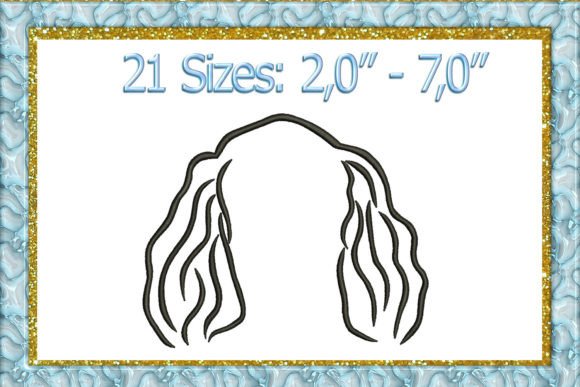
For a craft fair product, immediate recognition is key. Customers walking past a booth have only seconds to decide if they want to stop. The silhouette of Irish Setter ears is distinct enough to be understood at a glance, even from a few feet away. This makes it an excellent candidate for a focal design on larger items like market bags or pillow covers, where the shape can be appreciated fully. It is not just a generic paw print; it speaks to a specific community of owners who take pride in their pets.
Strategic Product Placement for Maximum Sales
Deciding where to place this embroidery file is crucial for maximizing sales. I envision Irish Setter Ears performing exceptionally well on kitchen textiles. Tea towel embroidery is a staple for handmade shops, and placing this design near the hem of a waffle-weave towel creates an elegant, high-end look. It transforms a simple utility item into a giftable handmade product that feels thoughtful and personalized.
Apron embroidery is another strong contender. An apron featuring these ears on the chest pocket or centered on the bib appeals to the "dog mom" demographic who loves to cook or garden. The charm of the design adds a touch of personality to what is otherwise a functional garment. Furthermore, considering the trend of embroidered patches, this design could be scaled down to create an iron-on or sew-on patch. These small shop products are low-cost to produce and serve as perfect add-on items at the checkout counter.
For those selling digital embroidery files, this design offers great potential as a printable mockup subject. Creating lifestyle images of the design on various fabrics can significantly boost engagement for an online listing. Whether you are a digital seller or a creator of finished products, the versatility of this motif allows it to bridge the gap between physical goods and digital assets.
Production Practicality and Batch Manufacturing
From a production standpoint, efficiency is everything when preparing for a busy weekend market. The Irish Setter Ears design appears to be suitable for batch production, provided the stitch density is manageable. If the design relies on solid fill stitches, I need to ensure the thread colors contrast well with the fabric to maintain clarity. A common pitfall in commercial embroidery is using too many thread changes for a simple motif, which slows down the machine and increases the risk of errors.
I also need to consider how this design photographs for online listings. A design that looks good in person must also translate well to a screen. The curves of the ears should remain smooth and defined in photos. If the design is too small or lacks definition, it might get lost in a thumbnail image on Etsy. Therefore, using it on products with ample negative space, like a large tote bag design or a oversized pillow cover, ensures the details are captured clearly in marketing materials.
Critical Considerations for Fabric and Technique
While the aesthetic appeal is high, there are practical hurdles to clear before hooping up the machine. One must be careful with dense stitch areas, especially if stitching on textured towels. Thick fabric loops can sometimes swallow up fine details, making the edges of the ears look jagged. It is essential to test the design on scrap fabric that matches the weight and texture of your final product.
Curved cap surfaces present another challenge. If you plan to offer hats, remember that the curvature can distort the shape of the ears if the hoop size is not selected correctly or if the stabilizer is insufficient. A sturdy cut-away stabilizer is often necessary for caps to prevent the design from puckering over time. Additionally, if you are working with dark fabric, you may need to adjust the underlay or choose lighter thread colors to ensure the silhouette pops against the background.
Tiny details and small lettering should be avoided if you intend to scale this design down for small pouches or key fobs. At smaller sizes, complex internal details can merge together, losing the charm that makes the design special. Always confirm the minimum viable size for the embroidery file before committing to a production run.
Enhancing Brand Consistency and Buyer Engagement
Incorporating Irish Setter Ears into your collection can strengthen your brand consistency if you specialize in animal-themed goods. It signals to your customers that you understand their passion for specific breeds. This level of specificity often drives higher buyer engagement because it feels tailored rather than mass-produced. A customer seeing this design is likely to think, "That is exactly my dog," creating an emotional connection that leads to a sale.
To truly maximize the potential of this design, I recommend creating at least one real mockup before the fair. Hold the finished product in your hand, drape it over your arm, and see how it moves. Does the design sit right? Is the fabric texture complementing the stitch work? These tactile experiences are what convince a browser to become a buyer.
Finally, a crucial reminder for all creative entrepreneurs: always confirm commercial licensing before selling finished products. Just because a design is beautiful does not automatically grant the right to sell items made with it. Check the terms associated with the digital embroidery file to ensure you are compliant. Once cleared, this design has all the markers of a craft fair hit—charming, recognizable, and versatile enough to elevate a wide range of handmade items.