Funny Easter Groovy Chick: A Designer's Real-World Review
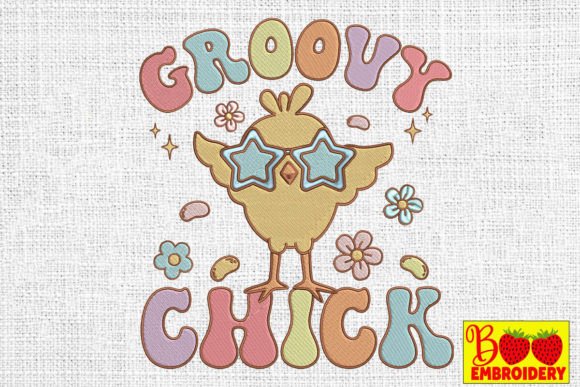
When I first pulled up the Funny Easter Groovy Chick file on my screen, I wasn't just looking for a cute holiday graphic; I was evaluating a potential asset for my spring collection. As a designer who spends more time staring at stitch simulations than actual fabric, my first impression is always about flow and personality. This design immediately stands out because it captures that specific retro, 70s-inspired vibe that is currently dominating the handmade market. The lines are fluid, suggesting a playful energy that fits perfectly with the current trend of "groovy" aesthetics. It isn't just a standard chick; it has character, which is exactly what customers look for when buying a personalized gift or browsing an Etsy seller's shop during the spring season.
Visual Personality and Stitch Potential
The layout of this machine embroidery design feels balanced without being rigid. In many digital files, you often see shapes that look great as vectors but fall apart when translated into thread. However, the contours here suggest a smart use of fill stitch and satin stitch boundaries. The "groovy" elements likely rely on clean, flowing lines that would benefit from a high-quality running stitch or a tight satin column to maintain definition. For a project like this, visual clarity is everything. If the details are too dense, the texture gets lost; if they are too sparse, the design looks unfinished. My initial assessment is that this design strikes a good middle ground, making it suitable for both small accents on a tote bag design or a central feature on a larger garment.
Putting It to the Test: The Sweatshirt Scenario
To truly understand how this embroidery project performs, I imagined a real-world scenario: a custom order for a local boutique needing sweatshirt embroidery for their Easter launch. The client wanted something fun but not childish, appealing to teens and young adults. This is where Funny Easter Groovy Chick shines. On a heather grey French terry cotton, the design's retro feel would pop beautifully. I would approach this by selecting thread colors that enhance the vintage mood—perhaps muted mustard yellows, burnt oranges, and soft teals rather than neon brights.
However, working with sweatshirts introduces challenges regarding fabric texture and loft. A design with fine details can get swallowed by the fuzzy surface of fleece or heavy cotton blends. Before committing to the final finished product, I would strongly advise running a test on scrap fabric of the exact same weight. This allows you to check the stitch density. If the design is too dense, it might cause the fabric to pucker or become stiff, ruining the drape of the sweatshirt. Conversely, if the density is too light, the backing might show through. Proper stabilization is non-negotiable here; a cut-away stabilizer would likely be the safest bet to ensure the design holds its shape after multiple washes.
Versatility Across Products
Beyond apparel, this digital embroidery file has significant potential for home decor and accessories. Imagine this chick stitched onto a natural linen tea towel or a canvas apron. The simplicity of the background on these items allows the "groovy" lines to take center stage. For baby embroidery, such as a onesie or a burp cloth, the design works well provided the hoop size accommodates the small area without crowding. It is crucial to verify the available hoop size options included in the download. If the design is only available in large formats, it won't work for delicate baby items without resizing, which can sometimes distort stitch angles and ruin the quality.
For those running a craft business, versatility equals profit. This design could easily be adapted into an embroidered patch. By using a merrowed edge or a tight satin border, you could create iron-on or sew-on patches that customers can apply to denim jackets or backpacks themselves. This expands your design assets without requiring new digitization work. Additionally, for commercial embroidery projects like corporate gifts or event merchandise, the neutral yet festive theme makes it safe for a wide audience, avoiding overly specific religious imagery while still celebrating the season.
Critical Considerations for Execution
While the aesthetic is strong, there are technical areas where caution is required. If you plan to stitch this on dark fabric, you must consider underlay stitches and potential show-through. Light-colored threads on black garments can sometimes look translucent if the fill isn't solid enough. I recommend creating a printable mockup in black and white first to gauge contrast. If the design relies heavily on subtle shading, it might lose impact on dark backgrounds.
Another factor is curved surfaces, such as caps. Embroidering on a structured hat requires precise hooping and often a different type of stabilizer, like a water-soluble topper, to prevent the stitches from sinking into the twill. The "groovy" curves of this chick need to remain smooth; any distortion due to poor hooping will be immediately obvious. Furthermore, if the design includes any tiny lettering or intricate internal details, these are the first things to suffer on textured fabrics like towels or pique knit. Always inspect the smallest corners of the design in your software's preview mode before stitching.
Commercial Viability and Brand Trust
For small shop product creators, the quality of your handmade product directly influences customer trust. A clean, crisp stitch job on a design like Funny Easter Groovy Chick signals professionalism. Sloppy stitching, bird nests, or puckering can damage your reputation quickly. Therefore, treating this file as a premium asset means taking the time to optimize machine settings. Check your tension, ensure your needles are sharp, and use high-quality thread that resists fading. When a customer receives a holiday embroidery item that looks flawless, they are more likely to return for future purchases or recommend your shop.
Finally, a note on licensing. While the description suggests it is great for shirts and hats, always confirm the specific license terms attached to the embroidery file before selling finished items or using it in digital product previews. Some designers allow unlimited physical sales but restrict digital redistribution. Understanding these boundaries protects your craft business from legal issues. By combining this charming design with technical precision and smart product selection, you can create a standout item that resonates with buyers looking for unique, high-quality spring goods.