Fighter Jet Embroidery Design Review for Apparel
As an embroidery designer constantly scouting for fresh assets to elevate my boutique collections, I recently explored the Creative Fabrica embroidery library and stumbled upon the Fighter Jet – Embroidery Design. Listed under their Freebies category, this file immediately caught my eye for its potential in creating action-packed, gender-neutral apparel. In the world of custom apparel, finding a design that balances technical precision with visual appeal is rare, especially when looking for motifs that resonate with military enthusiasts, aviation lovers, and kids alike. This review breaks down how this specific machine embroidery design performs when translated from a digital embroidery file to a tangible, finished product.
Visual Personality and Stitching Mood
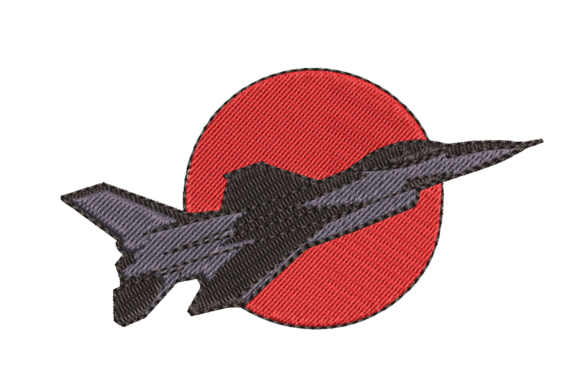
The first impression of the Fighter Jet – Embroidery Design is one of sleek modernity. Unlike vintage aircraft motifs that often rely on heavy fill stitches and a rustic aesthetic, this design feels contemporary and bold. The lines are clean, suggesting a vector-based origin that translates well into stitch data. The mood is definitely playful yet authoritative, making it versatile enough for a child's weekend wear or a statement piece for an adult aviation fan.
Visually, the design carries a decorative strength that works well on both dark and light backgrounds. The detail level appears sufficient to convey the aerodynamic shape of a fighter jet without becoming so dense that it creates puckering issues on lighter fabrics. It strikes a balance between a minimal icon and a detailed illustration, which is crucial for maintaining a premium look in a boutique brand setting. Whether you aim for a cute aesthetic for toddlers or a tactical look for streetwear, the visual personality adapts well to the context.
Ideal Applications for Sweatshirts and Hoodies
My primary goal when reviewing this file was to visualize it within a small sweatshirt or hoodie collection for my online shop. The Fighter Jet – Embroidery Design shines particularly bright in sweatshirt embroidery. On neutral-colored sweatshirts, such as heather grey or oatmeal, the design offers a crisp contrast that draws the eye immediately. For pastel hoodies, the boldness of the jet shape provides a nice counterpoint to the soft fabric tone, preventing the garment from looking too washed out.
For oversized garments, which are currently trending, this design works exceptionally well as a large back print alternative. Instead of a massive screen print that might crack over time, an embroidered jet on the upper back of an oversized hoodie adds texture and perceived value. It also serves as an excellent candidate for sleeve accents. Placing a smaller version of the design on the forearm of a zip-up hoodie creates a subtle nod to the theme without overwhelming the wearer. When considering hoodie design placement, the chest area remains the classic choice, but don't overlook the potential for lining the hem or adding it near the pocket for a unique twist.
Versatility Across Different Garments
Beyond knitwear, this machine embroidery design holds up well on woven fabrics. On denim jackets, the texture of the denim complements the smooth satin or fill stitches of the jet, creating a rugged, durable look perfect for outerwear. For t-shirt embroidery, caution is advised regarding stitch density; however, if the file is optimized, it can serve as a striking focal point on a high-quality cotton tee. Tote bags are another fantastic avenue. A fighter jet embroidered on a canvas tote transforms a simple grocery carrier into a lifestyle product photo ready for social media graphics.
For Etsy sellers and handmade business owners, the versatility of this asset means you can create a cohesive line of products. Imagine a "Sky High" collection featuring matching hoodies, tees, and bags all utilizing variations of this single design. This visual consistency helps build buyer trust and strengthens product recognition.
Technical Considerations and Fabric Challenges
While the aesthetic potential is high, practical execution requires careful planning. When working with stretchy fabric like fleece or ribbed cuffs, the Fighter Jet – Embroidery Design must be handled with care. Dense stitch areas can restrict the natural give of the fabric, leading to discomfort or distortion. It is essential to check the stitch density before running the file on a production run.
Dark garments present their own challenge regarding thread colors. To ensure the jet pops against black or navy fabric, you may need to adjust the thread chart provided in the digital embroidery file or add a underlay stitch that matches the top thread to prevent the base fabric from showing through gaps. Curved surfaces, such as the shoulder of a raglan sleeve, require precise hooping. If the design is too large, it may not hoop correctly without distorting the garment seams.
Furthermore, tiny lettering often accompanies thematic designs. If this file includes text elements like "Pilot" or squadron numbers, verify that they are legible at your intended size. Small details can get lost or merge together if scaled down too much for a small chest placement.
Enhancing Brand Value and Professional Presentation
Incorporating high-quality designs like this into your inventory directly affects apparel value. Customers associate intricate embroidery with higher quality than standard prints. By using the Fighter Jet – Embroidery Design, you signal attention to detail, which boosts brand identity. For commercial embroidery shops, offering this as a customization option can increase average order value. A customer buying a plain hoodie might upgrade to an embroidered version for a modest fee, significantly impacting your bottom line.
Professional presentation is key when listing these items. High-resolution printable mockups featuring the embroidered jet can help customers visualize the finished product before purchasing. Consistent use of this motif across your marketing materials creates a strong narrative around your small shop product lines, fostering deeper customer engagement.
Practical Notes for the Embroidery Designer
Before committing to a full production run, I always recommend a rigorous testing phase. First, test on scrap fabric that closely mimics your final garment material. If you are using fleece, do not test on cotton muslin, as the stabilizer requirements will differ. Speaking of which, choosing the right stabilizer is critical. For stretchy knits, a cut-away stabilizer is often safer than tear-away to prevent the design from shifting or sinking into the pile over time.
Review your thread color contrast carefully. Sometimes the default color sequence in the embroidery file does not match your specific brand palette. Take the time to customize the thread colors to align with your boutique brand's identity. Confirm your hoop size capabilities; while many modern machines handle large hoops, ensure the design fits within your specific machine's limits without requiring re-hooping, which can lead to alignment errors.
Finally, always inspect the stitch density settings in your software. If the design feels too stiff after stitching, consider reducing the fill density slightly. Compare different placement options on a sample garment to see what looks most balanced. And most importantly, since this is listed under Freebies on Creative Fabrica, double-check the licensing terms. Ensure that the license allows for commercial embroidery products if you intend to sell the finished apparel. While the description suggests it is great for crafting, verifying the rights to sell physical goods is a necessary step for any serious creative entrepreneur.
In conclusion, the Fighter Jet – Embroidery Design is a robust asset for anyone looking to expand their aviation-themed offerings. With thoughtful application and technical diligence, it can transform simple blanks into standout pieces that resonate with a wide audience.